
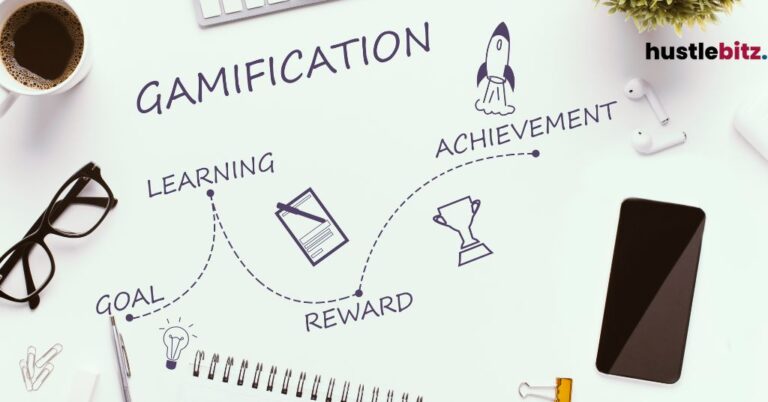
Gamification involves integrating game-like elements, such as points, badges, and leaderboards, into routine tasks to boost engagement and productivity. By creating a competitive and rewarding environment, employees are motivated to complete tasks efficiently and with enthusiasm. Tools such as Trello and Asana use visual task boards and milestone tracking to make work more interactive and enjoyable. Continuous feedback and reward systems, both intrinsic and extrinsic, further enhance performance and satisfaction. This approach can transform mundane processes into stimulating activities, leading to increased productivity and a dynamic workplace. Discover how gamification can revolutionize task management and drive success.
Key Takeaways
Understanding Gamification
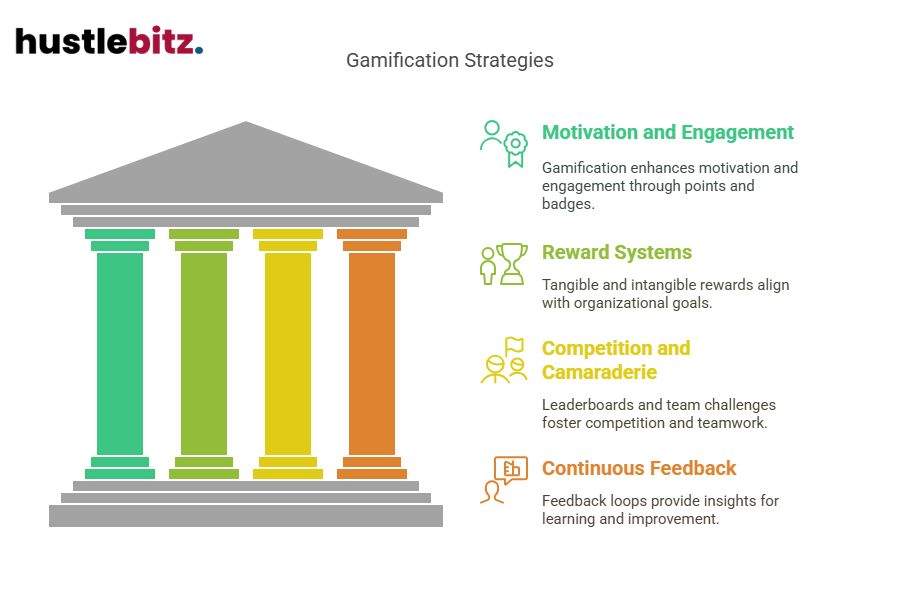
At its core, gamification involves incorporating game-like elements into non-game contexts to enhance user engagement and motivation. This approach leverages the intrinsic appeal of game mechanics—such as points, levels, and badges—to make otherwise mundane tasks more compelling. By understanding and applying motivation theories, organizations can transform routine activities into engaging experiences that drive productivity and satisfaction.
Game mechanics play a pivotal role in gamification. They include elements like leaderboards, which foster a sense of competition, and progress bars, which provide visual indicators of achievement. These mechanics create structured environments where users can experience immediate and tangible rewards for their efforts.
Feedback loops are integral to this process, offering continuous input that helps users understand how well they are performing and what they need to do to improve. Effective feedback loops can significantly enhance user engagement by providing real-time responses that keep individuals informed and motivated.
Achievement systems are another critical component of gamification. These systems often include badges, trophies, or certificates that recognize milestones and accomplishments. Such tokens of achievement serve not only as markers of progress but also as powerful motivators that drive continued effort and participation.
According to various motivation theories, recognition and rewards can increase intrinsic motivation, thereby encouraging sustained involvement.
Key Elements of Gamification

Building on the foundational understanding of gamification, one must recognize the key elements that make this approach effective in task management. Central to gamification is the points system, which provides a tangible measure of progress and achievement. Points serve as immediate indicators of completed tasks, motivating users by translating their efforts into quantifiable results. This system can also be tiered, offering higher points for more complex tasks, thereby encouraging users to tackle more challenging assignments.
Leaderboard dynamics play a pivotal role in fostering a sense of competition and camaraderie among participants. By displaying rankings based on accumulated points, leaderboards create a social environment that promotes user engagement. Participants are driven to improve their standing, which can lead to enhanced productivity and sustained motivation over time.
Additionally, leaderboards can be segmented into various categories, such as daily, weekly, or project-specific rankings, to keep the competition dynamic and ongoing.
Reward mechanisms are another fundamental element. These can range from intrinsic rewards, like personal satisfaction and recognition, to extrinsic rewards, such as bonuses or tangible prizes. Well-designed reward systems reinforce positive behavior and can significantly boost morale and engagement.
Feedback loops are essential in maintaining user engagement and driving continuous improvement. Timely and constructive feedback helps users understand their performance and areas that need enhancement. Automated feedback mechanisms, such as notifications or progress reports, ensure that users remain informed and motivated to achieve their goals.
Benefits of Gamifying Tasks

When effectively implemented, gamifying tasks yields a multitude of benefits that can dramatically enhance productivity and engagement. One of the primary advantages is motivation enhancement, which plays a crucial role in driving individuals to complete tasks. By introducing elements such as points, badges, and leaderboards, employees or participants are incentivized to achieve their goals, thereby fostering a sense of accomplishment and purpose.
Engagement increase is another significant benefit. Gamification transforms mundane tasks into interactive and enjoyable activities, making individuals more likely to immerse themselves in their work. This heightened engagement not only boosts morale but also reduces burnout and monotony, leading to a more enthusiastic and committed workforce.
Performance tracking is streamlined through gamification. By implementing systems that monitor progress and achievements in real-time, organizations can gain valuable insights into individual and team performance. This allows for the identification of strengths and areas for improvement, facilitating more targeted and effective interventions.
Feedback loops are integral to the gamification process. Continuous and immediate feedback helps individuals understand their progress and adjust their strategies accordingly. This not only enhances learning and development but also promotes a culture of transparency and continuous improvement.
Lastly, the introduction of a competitive spirit can be highly beneficial. Healthy competition encourages individuals to push their limits and strive for excellence. It fosters a dynamic environment where participants are motivated to outperform their peers, leading to higher overall productivity and innovation.
Tools for Task Gamification

To effectively implement gamification in task management, leveraging a suite of specialized tools is essential. These tools are designed to embed game mechanics into everyday tasks, thereby enhancing user engagement and productivity. Noteworthy tools in this domain offer functionalities such as reward systems, competitive elements, and progress tracking, all of which are pivotal to a successful gamification strategy.
Popular Gamification Tools:
| Tool | Key Features |
| Trello | Task boards, progress tracking, and reward badges |
| Asana | Task assignments, milestones, and leaderboards |
| Habitica | RPG elements, rewards for task completion |
| Todoist | Karma points, productivity streaks, and charts |
Trello, for instance, uses visual task boards and integrates reward badges to encourage users. This approach not only makes task management interactive but also visually appealing. Asana, on the other hand, incorporates milestones and leaderboards, which infuses competitive elements into team projects, thereby fostering a healthy competitive spirit among team members.
Habitica stands out by transforming tasks into a role-playing game (RPG), where users earn rewards for completing tasks. This method significantly boosts user engagement as it turns mundane tasks into an adventure. Similarly, Todoist employs karma points and productivity streaks, providing users with tangible metrics to track their progress and stay motivated.
These tools exemplify how embedding game mechanics into task management software can drive user engagement and productivity. By leveraging reward systems, competitive elements, and comprehensive progress tracking, these platforms not only make task management more efficient but also more enjoyable. Understanding and utilizing these tools can lead to significant improvements in organizational efficiency and individual motivation.
Setting Up a Gamified System
How can organizations effectively set up a gamified system to enhance task management? The process begins by defining clear objectives and understanding the intrinsic and extrinsic motivators that drive employee performance.
Employing game mechanics strategically will ensure that user engagement is maximized and productivity is optimized.
Steps to Set Up a Gamified System
- Identify Key Metrics: Establish metrics for progress tracking. These metrics might include task completion rates, time spent on tasks, or quality of output.
Clear metrics provide a framework for measuring success and areas for improvement.
- Design Reward Systems: Implement reward systems that offer tangible and intangible incentives. Tangible rewards might include bonuses or extra time off, while intangible rewards could be recognition or badges.
Effective rewards align with organizational goals and employee preferences.
- Incorporate Competition Elements: Foster a healthy competitive environment through leaderboards and team challenges.
Competition elements can motivate employees to excel and encourage a culture of continuous improvement.
A successful gamified system leverages these components to create a dynamic and engaging work environment.
Progress tracking allows employees to see their development over time, which enhances motivation. Reward systems serve as incentives for achieving milestones and maintaining high performance.
Competition elements add a layer of excitement and camaraderie, driving individuals to outperform themselves and their peers.
Final Thoughts
Gamification of tasks is a transformative strategy that harnesses the principles of play to boost productivity and engagement in the workplace. By integrating game-like elements such as points, badges, and leaderboards, organizations can create a dynamic and motivating environment that encourages employees to tackle tasks with enthusiasm. The psychological benefits of gamification, including increased motivation, enhanced engagement, and improved performance tracking, contribute to a more efficient and fulfilling work experience. By utilizing tools like Trello, Asana, and Habitica, and implementing structured systems that reward achievement and foster competition, companies can elevate task management to new heights. Embracing gamification not only makes work more enjoyable but also drives collaboration and innovation, ultimately leading to greater success and productivity in the workplace.