
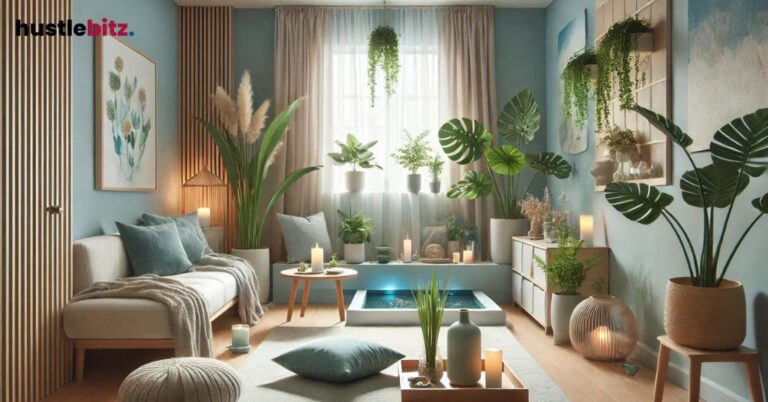
Creating a self-care sanctuary at home involves selecting calming color palettes, incorporating natural elements, and decluttering to foster tranquility. Opt for soft blues, greens, and muted pastels to promote relaxation, and bring in natural elements like plants and water features to enhance well-being. Comfortable furniture and soft lighting are essential for creating a cozy, inviting atmosphere. Allocate a quiet corner for reflection and relaxation, and personalize with meaningful decor and aromatic elements like essential oils. Thoughtful integration of these elements not only creates a nurturing environment but also enriches your daily self-care routine, potentially improving your overall wellness.
Key Takeaways
- Use soft blues, gentle greens, and muted pastels to create a calming color palette.
- Incorporate natural elements like indoor plants and water features for enhanced tranquility.
- Maintain a clutter-free environment with multifunctional furniture and mindful organization.
- Invest in ergonomic and comfortable furniture with cozy textiles for physical comfort.
- Utilize soft lighting with warm tones and diffused illumination to create a soothing ambiance.

Choose a Calming Color Palette

Creating a self-care sanctuary begins with selecting a calming color palette, as the hues in your environment significantly influence your mood and overall sense of well-being. Utilizing the principles of color psychology, one can strategically choose colors that promote relaxation and tranquility.
For those committed to serving others, whether through healthcare, counseling, or community service, creating a restful space at home is crucial for recharging and maintaining mental health.
Incorporating soothing shades such as soft blues, gentle greens, and muted pastels can significantly enhance mood. These colors are known to have a calming effect, reducing stress and anxiety levels. Consider painting one or more accent walls in these hues to create focal points that draw the eye and provide a sense of calmness. Accent walls in particular can be a simple yet effective way to incorporate color without overwhelming the space.
Thoughtful color combinations are essential for maintaining harmony within the space. Pairing neutral tones with these soothing shades can create a balanced and serene atmosphere. For instance, a combination of a soft blue accent wall with white or beige surroundings can evoke a sense of peace and tranquility, ideal for unwinding after a long day of serving others.
It’s important to note that the chosen colors should reflect personal preferences while also promoting relaxation. By carefully selecting and combining these elements, one can craft a self-care sanctuary that not only provides personal respite but also enhances one’s ability to serve others with renewed energy and positivity.
Incorporate Natural Elements

Beyond choosing a calming color palette, integrating natural elements into your self-care sanctuary can further enhance the sense of tranquility and well-being. Incorporating water features, such as a small indoor fountain, can provide a soothing auditory backdrop, reminiscent of nature’s calming presence. The gentle sound of trickling water can significantly reduce stress and promote relaxation, creating an oasis of peace within your home.
Texture variety is another key element to consider. Mixing natural materials like wood, stone, and bamboo can provide a rich tapestry of tactile experiences that ground the space in nature. Sustainable materials not only contribute to environmental well-being but also add an authentic, organic feel to your sanctuary. Opt for furniture and decor crafted from responsibly sourced wood or recycled materials to reinforce this connection to nature.
Nature sounds can be integrated seamlessly into your sanctuary through the use of sound machines or apps that mimic the soothing sounds of rain, birdsong, or ocean waves. These auditory elements can help mask urban noise and create a serene ambiance, further enhancing the relaxing atmosphere.
Seasonal decor offers an opportunity to keep your space feeling fresh and aligned with the rhythms of nature. By rotating elements such as throw pillows, blankets, and artwork to reflect the changing seasons, you can maintain a dynamic yet harmonious environment that evolves throughout the year. This practice not only keeps your sanctuary visually appealing but also fosters a deeper connection to the natural world.
Incorporating these natural elements thoughtfully can transform your self-care sanctuary into a haven of peace, promoting both mental and physical well-being for yourself and those you serve.
Declutter and Simplify

A clutter-free environment is essential for a truly restorative self-care sanctuary. When aiming to create a space where you can recharge and practice mindfulness, adopting a minimalist approach is invaluable. This strategy focuses on reducing excess and prioritizing only what is necessary, allowing your environment to foster tranquility and clarity.
Begin by evaluating each area of your home and identifying items that no longer serve a purpose or bring joy. Embrace mindful organization by thoughtfully categorizing your belongings and letting go of those that contribute to clutter. This process not only simplifies your space but also can be deeply therapeutic, creating room for more positive energy.
Effective storage solutions play a crucial role in maintaining order. Opt for multifunctional furniture that provides hidden storage, such as ottomans or beds with drawers, to keep items out of sight yet easily accessible.
Utilize wall-mounted shelves and hooks to maximize vertical space, ensuring that surfaces remain clear and inviting.
In terms of decor, functional pieces should take precedence. Select items that serve a dual purpose, combining aesthetic appeal with practicality. For instance, a decorative basket can hold blankets or magazines, while a stylish tray can organize daily essentials.
This approach not only enhances the visual appeal of your sanctuary but also supports a more organized and efficient living space.
Incorporating these strategies into your daily routines is key to maintaining a simplified, clutter-free environment. Regularly dedicate time to tidying up and reassessing your space, ensuring that it continues to meet your needs and supports your self-care practices.
Invest in Comfortable Furniture
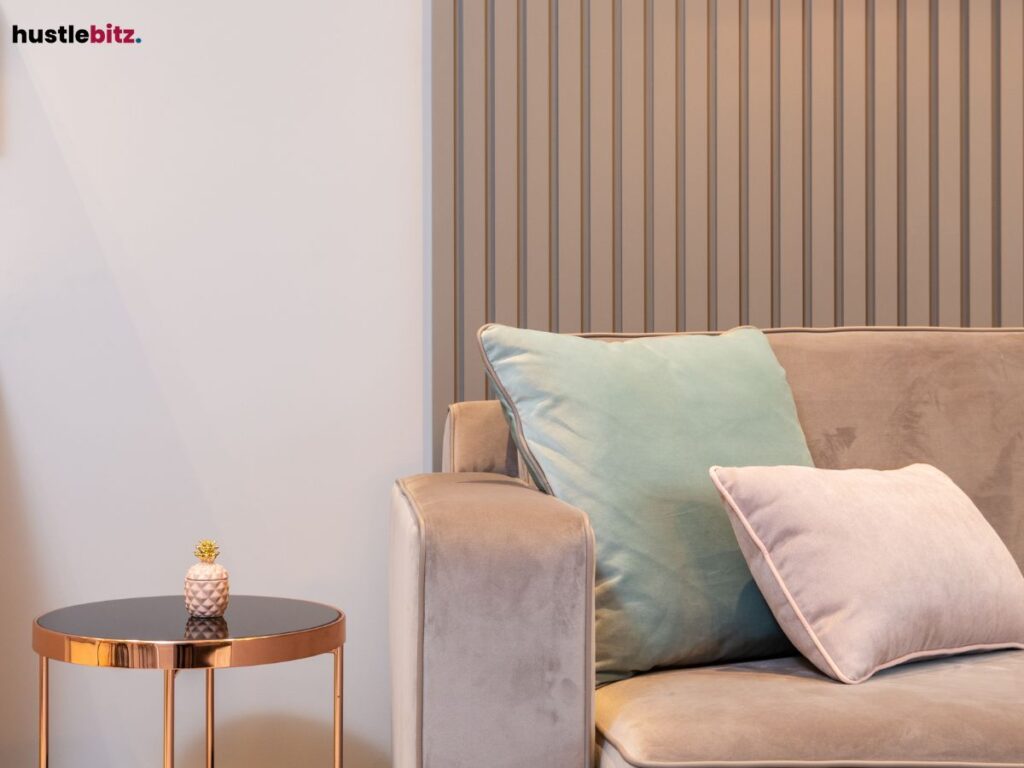
Investing in comfortable furniture is paramount to cultivating a self-care sanctuary that truly nurtures your well-being. When selecting furniture, prioritize ergonomic designs that support a healthy posture and reduce physical strain. This is especially important for those who spend extended periods sitting or working from home.
Ergonomically designed chairs, for instance, can significantly enhance comfort and productivity, contributing to an overall sense of well-being.
In addition to ergonomic considerations, multi functional pieces of furniture can maximize the utility of your space, offering both functionality and comfort. A sofa bed, for example, serves as a seating area during the day and transforms into a sleeping space at night, making it ideal for accommodating guests or for small living areas.
Multi functional furniture not only saves space but also adds versatility to your home sanctuary.
Texture variety is another critical element in creating a cozy and inviting environment. Incorporate a range of textures through cozy textiles such as plush cushions, soft throws, and tactile rugs.
These elements not only enhance the aesthetic appeal of your space but also provide physical comfort, enveloping you in warmth and relaxation.
Use Soft Lighting

Incorporating soft lighting into your self-care sanctuary is essential for creating a soothing and tranquil atmosphere. The choice of lighting significantly impacts the ambiance of your space, contributing to mood enhancement and overall well-being. To achieve this, consider the importance of ambient lighting, which serves as the primary source of illumination, providing a comfortable and inviting environment.
Soft Lighting Elements
| Element | Description | Benefits |
| Ambient Lighting | General lighting that fills the room | Creates a welcoming atmosphere |
| Color Temperature | Warm light (2700K-3000K) | Enhances relaxation |
| Light Fixtures | Lamps, sconces, and string lights | Adds aesthetic appeal |
| Soft Shadows | Use of shaded or diffused lighting | Prevents harsh contrasts |
Ambient lighting is the foundation of a relaxing home space. It should be subtle yet sufficient, ensuring that every corner of the room is bathed in a gentle glow. Opt for light fixtures that provide diffused illumination, such as lamps with fabric shades or sconces with frosted glass. These fixtures help to create soft shadows, reducing harsh contrasts and enhancing the room’s serenity.
The color temperature of your lighting plays a crucial role in mood enhancement. Warm lights, typically between 2700K to 3000K, emulate the comforting glow of natural sunlight at dusk, promoting relaxation and comfort. This range of color temperature is ideal for fostering a calming environment conducive to self-care.
Selecting the right combination of ambient lighting and light fixtures not only improves the functionality of your space but also elevates its aesthetic appeal. By focusing on these elements, you can create a self-care sanctuary that not only serves your needs but also uplifts and inspires those around you.
Create a Quiet Corner
Establishing a quiet corner within your self-care sanctuary is paramount for fostering moments of solitude and reflection. This dedicated space serves as a meditative haven where you can retreat from the hustle and bustle of daily life, allowing you to recharge and rejuvenate.
To create this tranquil environment, consider incorporating a reading nook, adorned with cozy textiles such as plush cushions and soft throws, to enhance comfort and warmth.
One of the key elements in designing a quiet corner is the strategic use of soundproofing techniques. Minimizing external noise ensures that your space remains serene and undisturbed. This can be achieved through the use of heavy curtains, rugs, and acoustic panels, which help dampen sound and create a cocoon of silence.
Additionally, consider placing your quiet corner away from high-traffic areas within your home to further reduce noise interruptions.
The aesthetic of your meditative space plays a crucial role in setting the tone for relaxation. Wall art can significantly contribute to the ambiance, providing visual stimuli that inspire calm and reflection.
Opt for pieces that evoke tranquility, such as nature scenes, abstract designs, or soothing color palettes. These artistic elements can help create a cohesive and serene environment, enhancing the overall sense of peace within your quiet corner.
Add Personal Touches

Infusing your self-care sanctuary with personal touches can significantly enhance its emotional resonance and functionality. For those who thrive on serving others, creating an environment that reflects personal history and cherished memories can be a powerful reminder of why self-care is essential.
Begin by incorporating personal mementos that evoke positive emotions and remind you of meaningful moments. These items could range from heirlooms passed down through generations to small trinkets that hold sentimental value.
Meaningful art can also play a pivotal role in personalizing your space. Choose pieces that resonate with your values, aspirations, or experiences. Whether it’s a painting, sculpture, or a handcrafted item, art has the power to elevate your sanctuary’s aesthetic while providing visual comfort.
Family photos are another excellent addition. Displaying images of loved ones can foster a sense of connection and warmth, reinforcing the importance of relationships in your life. Opt for frames that complement your sanctuary’s design, ensuring they blend seamlessly into your space.
Travel souvenirs can bring an element of adventure and exploration into your sanctuary. These items serve as tangible reminders of your journeys and the experiences that have shaped you. Whether it’s a small figurine from a distant land or a postcard from a memorable trip, these souvenirs can transport you back to those cherished moments.
Lastly, consider incorporating your favorite books into the design of your sanctuary. A well-curated collection of books not only reflects your interests and passions but also provides a source of inspiration and leisure. Arrange them in a way that invites you to pick one up and lose yourself in its pages, further enriching your self-care experience.
Integrate Aromatherapy
Integrating aromatherapy into your self-care sanctuary can significantly enhance the overall ambiance and efficacy of the space. By incorporating various aromatic elements, you can create an environment that is both calming and invigorating, tailored to meet your specific needs and preferences.
Scented candles are an excellent starting point, offering a gentle and consistent release of fragrance that can instantly transform a room. Select candles made from natural ingredients and infused with essential oils to ensure a pure and therapeutic experience.
Essential oils play a pivotal role in aromatherapy and can be utilized in numerous ways to suit your lifestyle. One popular method is through the use of diffuser blends, which allow for a customizable experience. By mixing different essential oils, you can create blends that cater to your mood enhancement needs—whether you seek relaxation with lavender and chamomile, or invigoration with citrus and peppermint.
A high-quality diffuser can disperse these blends evenly throughout your space, ensuring a consistent and long-lasting aromatic presence.
Understanding your fragrance preferences is key to maximizing the benefits of aromatherapy. Each individual may respond differently to various scents, so it’s important to experiment and discover which fragrances resonate most profoundly with you.
Consider keeping a journal to note how different scents impact your mood and overall well-being.
Bring in Greenery

Adding greenery to your self-care sanctuary can profoundly enhance the space’s tranquility and revitalizing qualities. Indoor plants not only introduce a natural aesthetic but also offer numerous health benefits, including improved air quality. By incorporating a variety of plant species, you can create an environment that feels both dynamic and serene, fostering an atmosphere conducive to relaxation and rejuvenation.
Selecting the right plant varieties is crucial for ensuring the longevity and health of your indoor greenery. Consider low-maintenance plants such as snake plants, pothos, and ZZ plants, which thrive in various light conditions and require minimal care.
For those with more time and inclination, ferns, peace lilies, and spider plants can add lushness and elegance, albeit with slightly more attention to their watering and lighting needs.
To maintain the vitality of your indoor plants, adhere to essential maintenance tips. Regularly check soil moisture levels, prune dead leaves, and ensure adequate light exposure tailored to each plant’s needs. Additionally, rotating plants periodically can help them grow evenly and prevent one side from becoming overexposed to light.
Seasonal changes can impact your indoor garden, so adjusting care routines accordingly is vital. During winter, when sunlight is scarce, consider supplementing with grow lights and reducing watering frequency. Conversely, in the warmer months, you may need to increase watering and occasionally mist plants to counteract dry indoor air.
Incorporating indoor plants into your self-care sanctuary is a thoughtful way to enhance both the aesthetic and functional aspects of your space, ultimately creating a more nurturing environment for yourself and those you serve.
Final Thoughts
Creating a self-care sanctuary at home is more than just designing a peaceful space—it’s about fostering an environment that nurtures both your mental and physical well-being. By thoughtfully incorporating calming colors, natural elements, and ergonomic furniture, you can transform your home into a tranquil retreat that supports relaxation and mindfulness. Decluttering, personalizing with meaningful decor, and integrating sensory experiences like soft lighting and aromatherapy further enhance the soothing atmosphere. Ultimately, a self-care sanctuary encourages intentional living, enabling you to recharge, reflect, and promote a balanced, fulfilling lifestyle.