

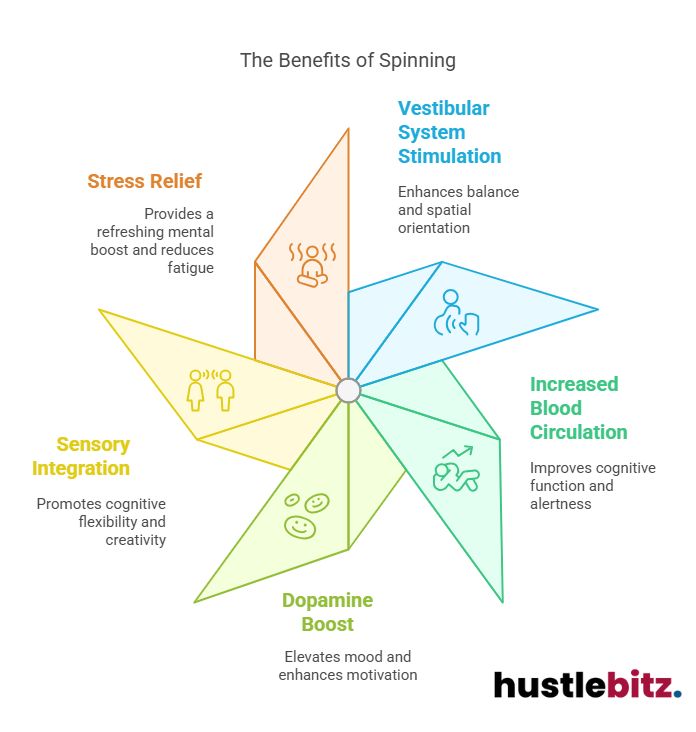
Spinning in your chair can enhance brain function by activating the vestibular system, crucial for balance and spatial orientation. This motion stimulates brain regions such as the cerebellum and strengthens neural pathways, boosting cognitive flexibility and problem-solving abilities. The process promotes better sensory integration, heightens alertness, and improves mental readiness, while playful engagement increases dopamine levels, enhancing mood and motivation. Additionally, spinning increases oxygen-rich blood flow to the brain, supporting cognitive functions and reducing mental fatigue. This simple yet effective activity promises immediate rejuvenation, sparking interest in its broader effects on creativity and productivity.
Key Takeaways
- Spinning stimulates the vestibular system, enhancing balance and spatial orientation, which refreshes the brain and boosts mental readiness.
- The increased blood circulation from spinning delivers oxygen-rich blood to the brain, improving cognitive function and alertness.
- Engaging in spinning introduces playful movement, boosting dopamine levels and elevating mood, which enhances motivation and focus.
- Sensory integration during spinning enhances response to stimuli, promoting cognitive flexibility and creativity.
- Brief spinning breaks alleviate stress, providing a refreshing mental boost and reducing fatigue during work tasks.
The Science Behind Spinning
Spinning, a seemingly simple and playful activity, has intrigued scientists who are delving into its underlying neurological and physiological mechanisms. This fascination is rooted in the profound vestibular impact that spinning exerts on the human body. The vestibular system, found in the inner ear, helps you stay balanced and understand your surroundings. It works behind the scenes to keep you steady and aware of your movements, playing a key role in how you navigate the world around you. When we spin, the rotational effects stimulate this system, sending a cascade of sensory information to the brain.
The sensory stimulation from spinning activates regions of the brain responsible for processing motion and balance, including the cerebellum and brainstem. This heightened activity can enhance brain connectivity, facilitating better communication between different neural networks. Such connectivity is vital for cognitive functions and can potentially sharpen focus and enhance mental acuity.
Moreover, the motor responses elicited by spinning are of particular interest. As the body rotates, the brain must coordinate a complex series of motor adjustments to maintain stability. This process engages both the proprioceptive and vestibular systems, demanding precise coordination and balance.
These motor responses not only reinforce physical coordination but also stimulate neural plasticity, which is the brain’s ability to adapt and reorganize itself.
In essence, the science behind spinning reveals a multifaceted interaction between sensory input, brain function, and motor coordination. By understanding these processes, researchers can better appreciate how such a seemingly trivial activity may contribute to mental alertness and overall cognitive health.
This exploration of spinning’s neurological impacts underscores the intricate connections between physical activity and brain function, offering intriguing insights into human physiology.
Boosting Blood Circulation
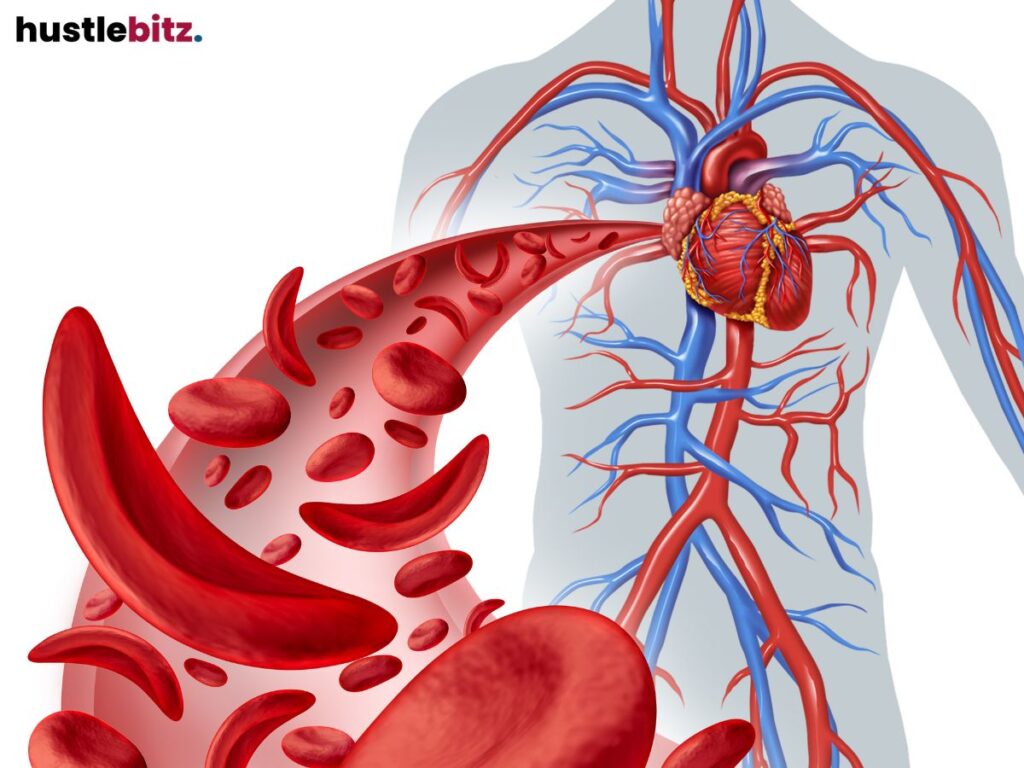
The invigorating whirl of spinning can serve as a catalyst for boosting blood circulation throughout the body. This seemingly simple activity can transform a sedentary moment into a beneficial burst of physical activity, effectively promoting improved circulation. As one spins in a chair, muscles throughout the body engage to maintain balance and control, enhancing cardiovascular function. This muscle engagement is crucial for stimulating blood flow, ensuring that oxygen-rich blood reaches the brain, thereby facilitating optimal brain oxygenation.
Improved circulation is vital for maintaining cognitive function and overall health. The increase in blood flow delivers essential nutrients and oxygen to the brain, enhancing mental clarity and focus. This physiological response can be particularly beneficial in a work setting, where cognitive demand is high. By engaging in periodic spinning, individuals may experience heightened alertness and productivity, owing to the increased supply of oxygen and nutrients to brain cells.
Additionally, spinning in a chair offers an unexpected source of stress relief. The rhythmic motion can induce a sense of relaxation, mitigating the effects of stress, which often constricts blood vessels and impairs circulation. By alleviating stress, this activity indirectly supports improved circulation, ensuring that both the mind and body function at their best.
Incorporating this light physical activity into a daily routine can thus serve as a practical strategy for enhancing circulation and boosting brain function. While spinning may seem playful, its benefits in promoting brain oxygenation and muscle engagement are profound, making it a valuable tool for revitalizing the body and mind during work.
Activating the Vestibular System
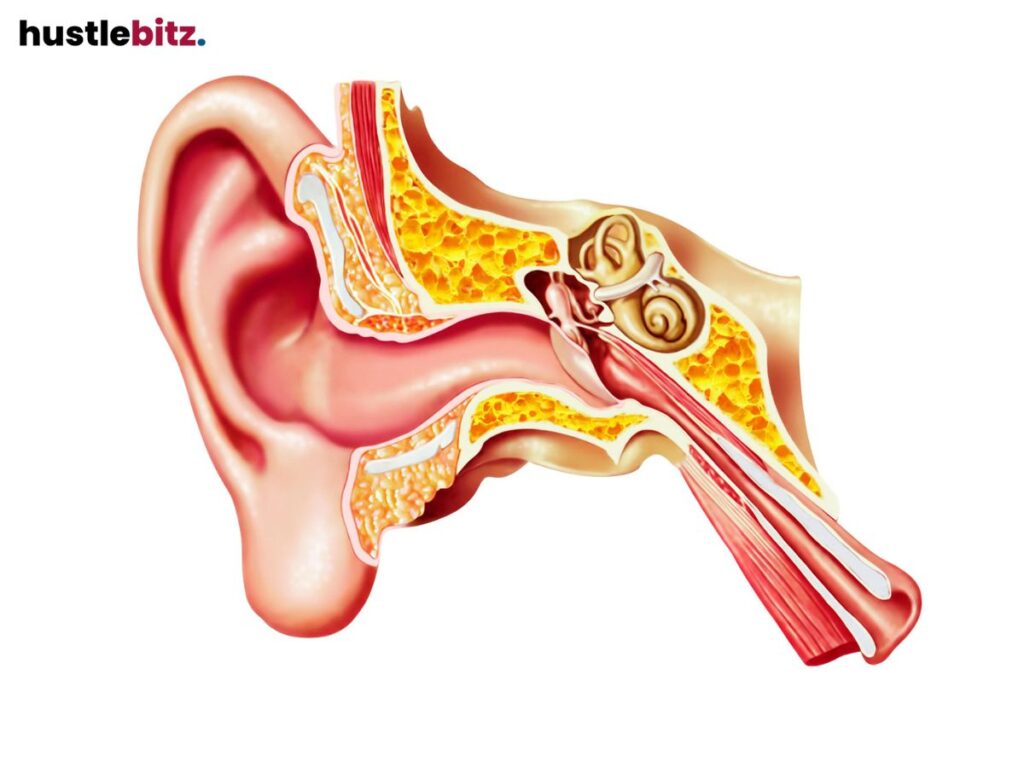
Engaging in the simple act of spinning in a chair can effectively activate the vestibular system, a critical component of the inner ear responsible for maintaining balance and spatial orientation. This system, comprising semicircular canals and otolith organs, responds to changes in head position and movement. When one spins, vestibular stimulation occurs, sending signals through neural pathways to the brain to help interpret motion awareness and maintain balance perception.
The vestibular system plays a vital role in sensory integration by coordinating information from various sensory inputs, including vision and proprioception, to facilitate a coherent perception of movement and spatial orientation. Spinning, as a form of vestibular stimulation, can enhance this sensory integration process by challenging the brain to process and adapt to rapid changes in motion.
This activity requires the brain to update its understanding of the body’s position in space, strengthening the neural pathways involved. As the vestibular system is engaged during spinning, the brain is prompted to improve balance perception and motion awareness.
This heightened state of sensory integration can contribute to a more alert and attentive mental state, as the brain becomes more adept at processing complex sensory information. The continuous feedback loop between the vestibular system and the brain fosters a dynamic interaction that enhances one’s overall equilibrium and readiness to respond to environmental changes.
Enhancing Cognitive Function

A unique and intriguing aspect of spinning in a chair is its potential to enhance cognitive function. Engaging in this seemingly simple activity can stimulate various mental processes, contributing to improved workplace performance. The dynamic movement involved in spinning activates the brain in unexpected ways, fostering an environment conducive to cognitive growth.
- Cognitive Flexibility: Spinning necessitates rapid adjustments to the ever-changing sensory input, which can boost cognitive flexibility. This adaptability translates into a greater ability to switch between tasks or thoughts, enhancing one’s problem-solving skills in complex scenarios.
- Spatial Awareness: The rotational motion heightens spatial awareness by challenging the brain to process continuous shifts in perspective. As the surroundings blur into a whirl, the mind is prompted to recalibrate its understanding of space and orientation.
This increased spatial awareness can contribute to more effective navigation of both physical and mental environments.
- Sensory Integration: A crucial element in spinning is the integration of sensory information from the vestibular, visual, and proprioceptive systems. This sensory integration can refine how the brain interprets various stimuli, ultimately improving one’s ability to respond to diverse situations and enhancing creative thinking abilities.
Improving Focus and Attention

Spinning-chair exercises can serve as a surprising yet effective method to improve focus and attention. This activity, often perceived as merely playful engagement, can significantly enhance cognitive capabilities when approached with mindful movement. The act of spinning introduces sensory stimulation that can refresh the brain and heighten awareness, creating an optimal state for concentration. This form of environmental interaction allows for brief, creative breaks from routine tasks, which may facilitate a shift in perspective and renew mental vigor.
| Benefits | Mechanism | Outcome |
| Mindful Movement | Focuses on present tasks | Reduced distractions |
| Sensory Stimulation | Engages vestibular system | Enhanced alertness |
| Playful Engagement | Boosts dopamine levels | Improved mood and motivation |
| Environmental Interaction | Changes surroundings | Breaks monotony |
| Creative Breaks | Refreshes mental state | Renewed focus and productivity |
By engaging in spinning-chair exercises, individuals can incorporate brief yet potent intervals of mindful movement into their work routine. These actions stimulate the vestibular system, a critical component in maintaining balance and spatial orientation, thereby promoting sensory stimulation that sharpens attention.
Incorporating playful engagement into the workday not only improves mood but also bolsters motivation through the release of neurotransmitters like dopamine. This biochemical response can lead to heightened focus and a more positive work environment. Moreover, environmental interaction through movement provides a change of scenery, effectively breaking the monotony of prolonged sedentary work.
Creative breaks, facilitated by these exercises, can rejuvenate mental states, allowing individuals to return to tasks with enhanced clarity and productivity. Such practices illustrate the value of integrating movement and play into daily routines to foster improved focus and attention in work settings.
Reducing Mental Fatigue

Mental fatigue plagues many individuals in today’s fast-paced work environments, diminishing productivity and well-being. To combat this pervasive issue, integrating mental rejuvenation techniques into daily routines becomes essential. One intriguing approach is the use of playful workspace strategies, such as spinning in a chair. This simple movement offers numerous benefits, allowing individuals to momentarily escape the rigors of cognitive demands while simultaneously rejuvenating their mental faculties.
Consider the following strategies to visualize how these playful elements can be seamlessly integrated into everyday work settings:
- Quick Energy Boosters: Short bouts of spinning can serve as an instant energy lift. This activity increases blood circulation, which can enhance alertness and reduce the heavy fog of mental fatigue. Just a minute of spinning can re-energize the mind, providing a fresh perspective on tasks at hand.
- Simple Movement Benefits: Engaging in uncomplicated physical activities such as chair spinning can break the monotony of prolonged sedentary work. These movements stimulate the vestibular system, which plays a critical role in maintaining balance and spatial orientation, thus promoting mental clarity and focus.
- Engaging Sensory Experiences: The act of spinning in a chair involves multiple senses, creating a dynamic environment that can invigorate the brain. This multisensory engagement not only reduces fatigue but also fosters creativity and problem-solving skills, providing a playful yet effective method to refresh the mind.
Incorporating these playful workspace strategies can transform mundane work routines, offering a delightful and efficient path to reducing mental fatigue and enhancing overall productivity.
Elevating Mood Instantly

While facing the demands of daily tasks, finding quick and effective ways to elevate one’s mood can be invaluable in maintaining a positive and productive work environment. One unconventional yet effective method is the simple act of spinning in a chair. This playful engagement serves as a multifaceted tool for mood enhancement, providing immediate stress relief and a refreshing break from routine.
The act of spinning offers sensory stimulation that can trigger a shift in emotional state, akin to the exhilaration experienced during childhood play. This brief period of movement allows the mind to disengage from stressors and refocus, fostering a mental environment conducive to productivity. The physical motion and the change in perspective can promote creative inspiration, often sparking new ideas and solutions to seemingly intractable problems.
Research suggests that short bursts of physical activity, such as chair spinning, can release endorphins, the body’s natural mood elevators. This biochemical response is instrumental in enhancing mood and reducing feelings of stress and anxiety.
Furthermore, the playful nature of spinning introduces an element of joy and spontaneity, often lacking in structured work settings, thereby contributing to a more positive office atmosphere.
Incorporating such an activity into daily routines can be a testament to the benefits of playful engagement in the workplace. Beyond simply elevating mood, it encourages employees to embrace a more dynamic and flexible approach to work.
This, in turn, can lead to improved mental well-being, increased job satisfaction, and a more innovative workforce. Thus, spinning in a chair is not merely a whimsical act but a strategic tool for mood enhancement and workplace vitality.
Final Thoughts
Spinning in your chair, while seemingly lighthearted, can provide powerful mental and physical benefits in the workplace. By stimulating the vestibular system, boosting blood flow, and engaging the brain’s sensory processes, this simple movement enhances focus, reduces stress, and increases cognitive flexibility. Additionally, spinning introduces playful engagement, which can elevate mood and alleviate mental fatigue, helping you stay productive and energized. Incorporating small, creative breaks like this into your daily routine can have a surprisingly positive impact on your overall well-being and work performance.