
Stress Reduction

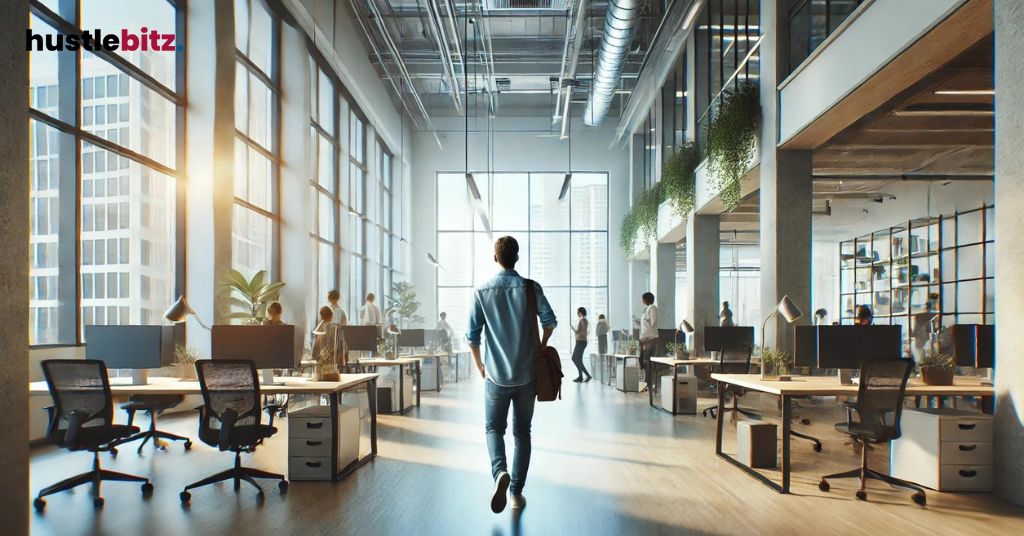
A person walking backwards in a bright, modern office with large windows.

How Walking Backwards Can Solve Tricky Work Problems

Walking backwards can be an effective method for addressing challenging work problems by stimulating the brain in new ways. This activity enhances spatial awareness and cognitive flexibility, leading to innovative solutions. It promotes mental agility by breaking routine thought patterns and reducing stress, thereby clearing mental clutter. Incorporating backwards walking into workplace routines can cultivate …

How Walking Backwards Can Solve Tricky Work Problems Read More »
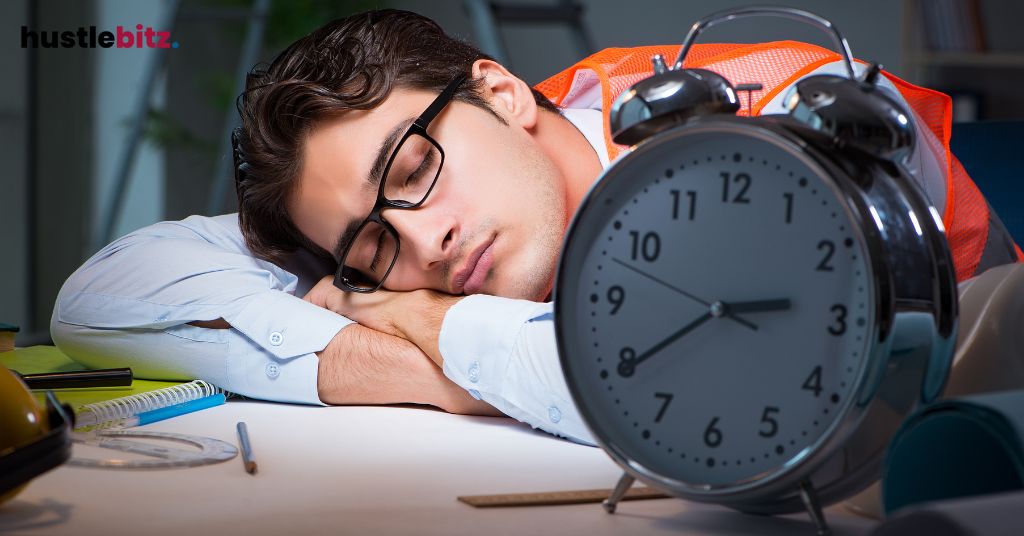
A man wearing glasses and an orange vest is napping at a desk, with a large clock nearby.

The Power of Power Naps: Maximizing Short Breaks for Optimal Wellness

Power naps, brief rest periods lasting 10 to 20 minutes, harness the brain’s natural sleep cycles to enhance cognitive function and emotional well-being. These short naps primarily involve non-rapid eye movement (NREM) sleep, which helps with memory consolidation and learning. Napping during the early afternoon aligns with circadian rhythms, promoting mental and physical restoration. Power …

The Power of Power Naps: Maximizing Short Breaks for Optimal Wellness Read More »

A person meditating with closed eyes, hands on their chest, in a peaceful, softly lit room.

Stress Reduction Through Self Care: Activities That Work

Stress reduction through self-care is essential for maintaining mental and physical health. Engaging in mindfulness practices, such as meditation and deep breathing, can effectively lower anxiety levels. Physical activities like yoga and walking release endorphins, improving mood and promoting relaxation. Creative outlets, including art and music, serve as therapeutic forms of self-expression that enhance emotional …

Stress Reduction Through Self Care: Activities That Work Read More »